If you’ve noticed that conversations seem more exhausting than they used to be, you’re asking people to repeat themselves more often, or you’ve heard that hearing loss may be connected to brain health, this article is for you.
One of the most common questions we hear is:
“Can hearing loss affect my brain?”
The answer is more interesting than many people realize.
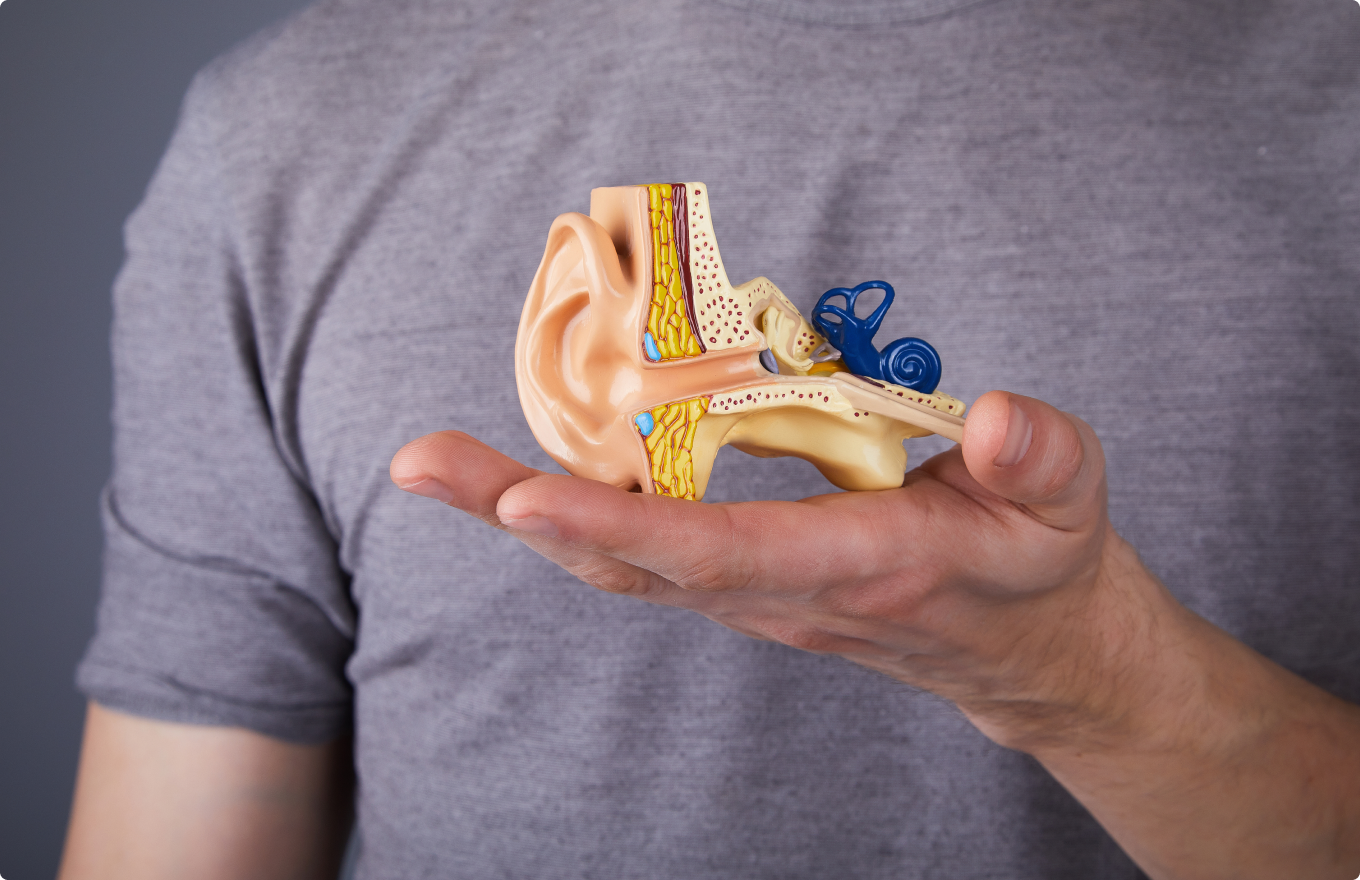
Recent research suggests that age-related hearing loss (presbycusis) doesn’t just affect the ears—it can also change how the brain processes sound. As the brain receives less clear auditory information, it begins to reorganize, recruiting additional brain regions and increasing listening effort to understand speech. Researchers have observed changes in the auditory system that are associated with greater cognitive load and, in some people, poorer speech understanding and cognitive performance.
Think of it like driving through heavy fog.
You can still reach your destination, but it takes much more concentration. You grip the steering wheel tighter, scan the road more carefully, and arrive feeling mentally tired.
That’s similar to what many people with hearing loss describe after a busy dinner, church service, or family gathering.
Hearing loss does not mean someone will develop dementia. However, research has consistently shown an association between untreated hearing loss and an increased risk of cognitive decline. Scientists are still studying exactly why this relationship exists, but increased listening effort, reduced auditory input, and changes in social engagement are all thought to play important roles.
Hearing aids don’t prevent or cure dementia. Their primary purpose is to improve communication by providing the brain with clearer sound. Emerging research also suggests that restoring auditory input may help reduce some of the brain changes associated with hearing loss, although this remains an active area of study.
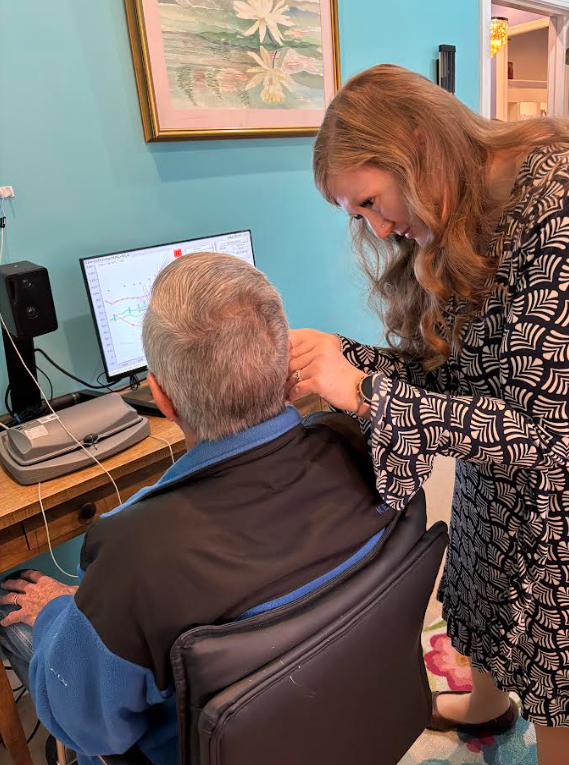
If you’ve noticed changes in your hearing, speech understanding, or listening effort—or if family members have expressed concern—it’s a good time to schedule a hearing evaluation. Early evaluation provides information, even if treatment isn’t needed right away.
At Happy Hearing Clinic, we believe hearing care is about much more than hearing aids.
It’s about helping your brain receive the information it needs to stay connected to the people, conversations, and experiences that make life meaningful.
That’s why we encourage people not to wait until hearing loss becomes severe. The earlier we understand what’s happening, the earlier we can help you make informed decisions about protecting your hearing—and your quality of life.