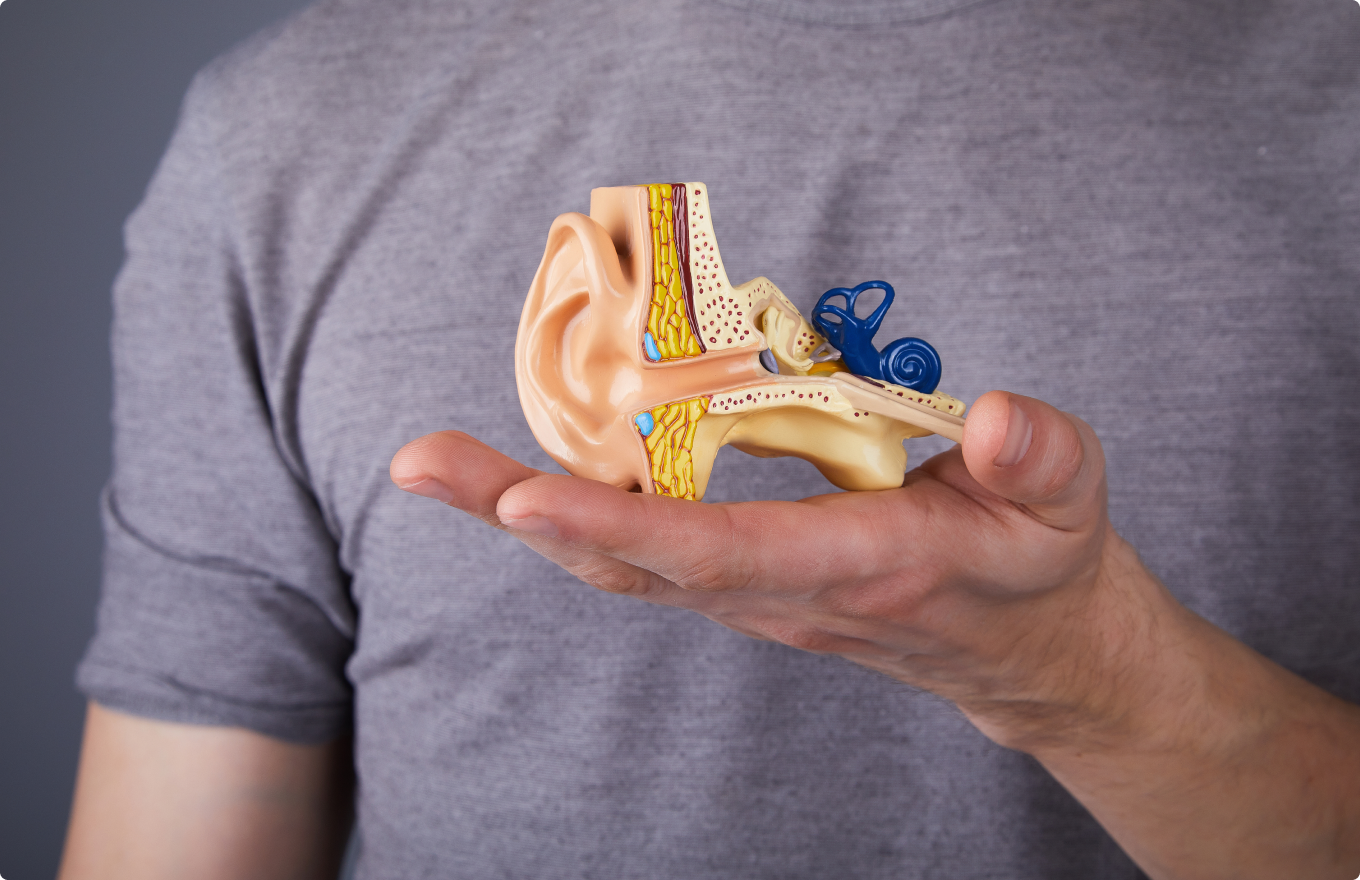
Ear Anatomy
The human ear is a small but powerful organ that does far more than capture sound. It is responsible not only for helping us communicate
If you’re looking for hearing care, you’ve probably seen a variety of titles:
It’s natural to wonder:
What’s the difference, and does it matter?
The short answer is yes—but not in the way most people think.
The most important question isn’t, “Who has the better title?”
It’s, “Who is the right provider for my hearing needs?”
Both Audiologists and Hearing Instrument Specialists play important roles in helping people with hearing loss.
An Audiologist earns a doctoral degree (Doctor of Audiology or Au.D.) after completing undergraduate education and four years of graduate clinical training. Audiologists are educated to evaluate the hearing and balance system, identify hearing disorders, recognize medical conditions that require referral, provide tinnitus care, evaluate and program cochlear implants, and fit hearing aids using evidence-based practices.
A Hearing Instrument Specialist (HIS) is licensed to test hearing for the purpose of fitting hearing aids and to select, fit, and service hearing aids. Education, training, and licensing requirements vary by state, but their primary focus is hearing aid dispensing and follow-up care.
For many people with straightforward hearing loss, either provider may be an appropriate choice.
However, if your hearing concerns are more complex—such as hearing loss in one ear, tinnitus, dizziness, balance problems, a history of ear disease or ear surgery, or questions about cochlear implants—you may benefit from seeing an Audiologist.
The most important thing is understanding what services your provider offers and whether they match your needs.
One of the biggest misconceptions we see is that all hearing care is the same.
Most people don’t think about credentials until they’re faced with hearing loss. They simply want someone they can trust to guide them through the process.
That’s exactly how it should be.
Whether you choose an Audiologist or another hearing care provider, you deserve to understand your diagnosis, have your questions answered, and receive recommendations that are based on your hearing—not on assumptions.
At Happy Hearing Clinic, we believe hearing care starts with curiosity.
Before we recommend hearing aids, we want to understand why you’re having difficulty hearing, how it’s affecting your life, and what your goals are. Sometimes hearing aids are the right solution. Sometimes another treatment—or simply monitoring your hearing—is the better answer.
Our job is to help you understand your options so you can make an informed decision.
No matter where you choose to receive care, these are important questions to ask.
Will the same person who evaluates your hearing also recommend and fit your hearing aids? Understanding who is responsible for your care helps you know what to expect throughout the process.
A good provider should explain why they are recommending a particular hearing aid based on your hearing test, communication needs, lifestyle, and budget—not simply present you with a list of products.
Ask whether the clinic performs real-ear verification, an objective measurement that confirms your hearing aids are providing the amplification they were programmed to deliver in your ears. This procedure is considered a best practice in audiology and helps ensure that your hearing aids are performing as intended.
Adjustments are a normal part of the hearing aid process. Ask how many follow-up visits are included, what services are covered, and how your provider will support you after the fitting.
Not every hearing problem is solved with hearing aids. Ask how your provider handles situations where additional medical evaluation, imaging, tinnitus management, cochlear implants, or another treatment may be more appropriate.
Perhaps the most important question of all.
You should never feel rushed or pressured into making a decision.
The right provider will explain your results, discuss your options, and help you feel confident in whatever decision you make.
Yes. Both professions are licensed to provide hearing aids within their scope of practice. The difference lies primarily in their education, clinical training, and the range of services they provide.
Not necessarily. The right provider depends on your hearing needs, medical history, and the services you’re looking for. What’s most important is receiving care from someone who practices within their training and takes the time to understand your concerns.
That’s okay.
Many people have never met an Audiologist or a Hearing Instrument Specialist before they experience hearing loss. The best first step is scheduling a comprehensive hearing evaluation and asking questions. A good provider will help you understand your hearing, explain your options, and guide you through the next steps.
People often ask what the letters “Au.D.” after my name mean.
They stand for Doctor of Audiology, but to me they represent something more important.
They represent years of learning not just how to fit hearing aids, but how hearing works, how hearing changes over time, when hearing loss may signal a medical condition, and how to help people make informed decisions about their hearing health.
At Happy Hearing Clinic, we believe the best healthcare starts with asking good questions.
That’s why we encourage every patient to ask questions—of us or of any provider they’re considering.
An informed patient is an empowered patient.
And when you understand your hearing, you’re in the best position to make the decision that’s right for you.
The human ear is a small but powerful organ that does far more than capture sound. It is responsible not only for helping us communicate
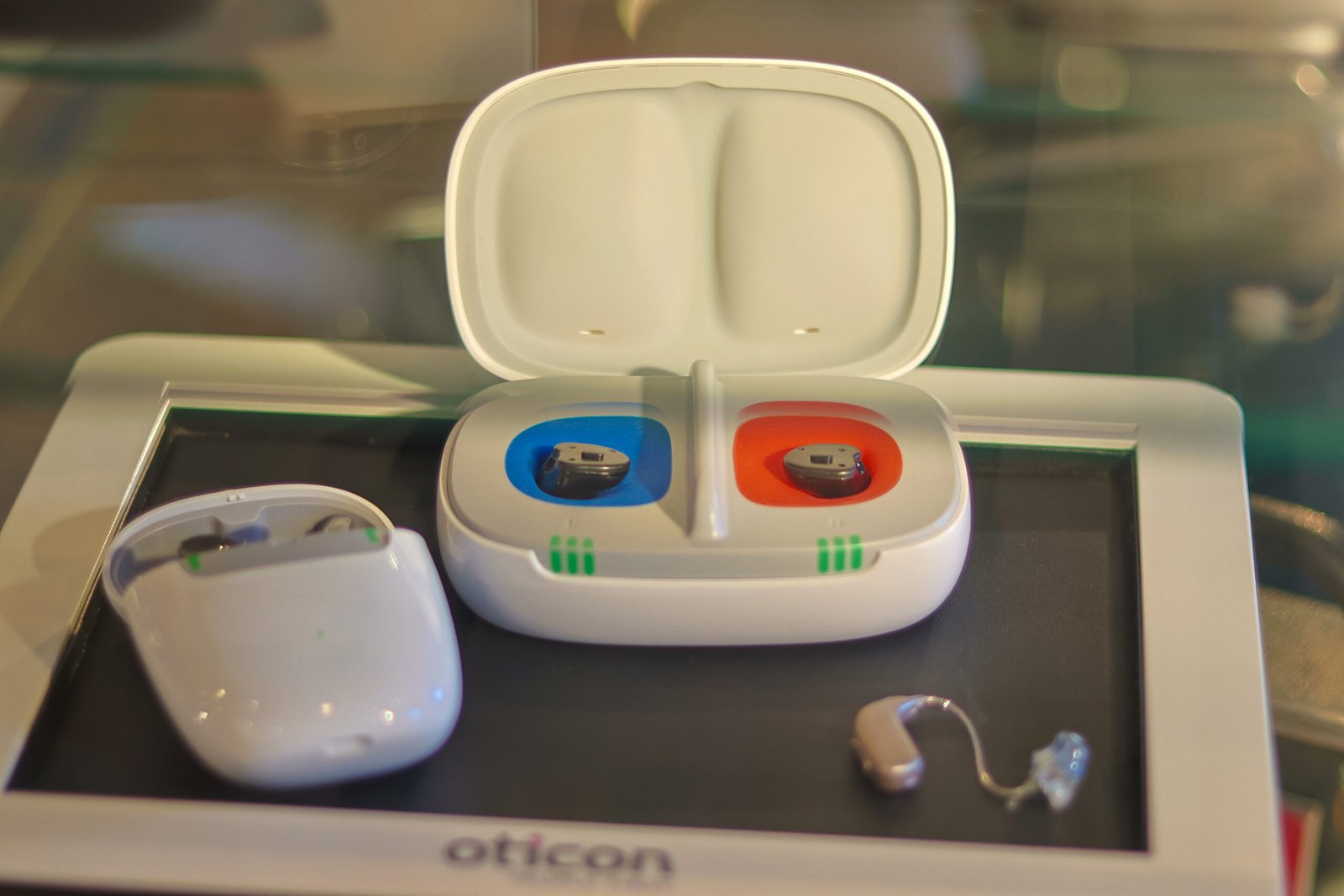
Already have hearing aids? We’re happy to help (even if you purchased them somewhere else). You don’t have to purchase your hearing aids from Happy

If you’ve noticed changes in your hearing, you might wonder: Who should I see first? Should I go to an audiologist, an ENT, or a