The human ear is a small but powerful organ that does far more than capture sound. It is responsible not only for helping us communicate and enjoy the world around us, but also for maintaining balance and spatial orientation. At Happy Hearing Clinic in Winchester, KY, we know that when patients understand how the ear works, they are better equipped to recognize the signs of hearing loss, tinnitus, and balance issues. This blog will serve as a detailed guide to ear anatomy, covering the outer, middle, and inner ear, and explaining what happens when any part of this delicate system isn’t working properly.
The outer ear
The outer ear consists of the pinna (the visible part of your ear) and the ear canal. Its primary job is to collect sound waves and funnel them toward the eardrum. The shape of the pinna helps determine the direction of sound, which is why even slight changes to the ear can affect how we localize noises in our environment. Earwax (cerumen), produced in the ear canal, also plays a protective role by trapping dust and debris and maintaining a healthy environment (CDC, 2024).
Common issues with the outer ear include impacted earwax, outer ear infections (otitis externa), and injuries. Fortunately, most of these can be easily managed by an audiologist or ENT. Hearing Evaluations
The middle ear
Once sound waves reach the eardrum (tympanic membrane), they cause it to vibrate. These vibrations are passed along to three tiny bones called the ossicles: the malleus (hammer), incus (anvil), and stapes (stirrup). These are the smallest bones in the human body, yet they play an essential role in amplifying sound. The middle ear also contains the Eustachian tube, which helps equalize pressure between the middle ear and the environment (NIDCD, 2024).
Common problems in the middle ear include fluid buildup (otitis media), ruptured eardrums, or dysfunction of the ossicles. These can cause conductive hearing loss, meaning sound cannot travel efficiently to the inner ear. Some of these issues are treatable with medication or surgery.
The inner ear
The inner ear is home to two incredible systems: the cochlea, responsible for hearing, and the vestibular system, responsible for balance. The cochlea is a spiral-shaped structure filled with fluid and lined with thousands of delicate hair cells. When sound vibrations reach the cochlea, these hair cells convert them into electrical signals that travel to the brain via the auditory nerve (WHO, 2024).
The vestibular system, made up of semicircular canals and otolith organs, detects motion and spatial orientation. This is how we maintain balance, avoid dizziness, and know which way is up. Damage to the vestibular system can lead to vertigo, imbalance, and falls—particularly in older adults (AAA, 2024).
How hearing loss develops
Hearing loss can occur when any part of the ear malfunctions. Conductive hearing loss originates in the outer or middle ear and is often treatable. Sensorineural hearing loss, the most common type, results from damage to the cochlear hair cells or auditory nerve. Once damaged, these hair cells cannot regenerate. This type of loss is often caused by aging, genetics, or noise exposure, and it is typically permanent (CDC, 2024). Mixed hearing loss is a combination of both.
The ear-brain connection
The ear doesn’t work alone—the brain plays a critical role in interpreting sound. Research has shown that untreated hearing loss is linked to cognitive decline and dementia (WHO, 2024). This makes timely hearing evaluations not just a matter of ear health, but also of brain health and overall well-being.
Balance and the vestibular system
Balance issues can result from inner ear disorders such as Ménière’s disease, vestibular neuritis, or benign paroxysmal positional vertigo (BPPV). These conditions may cause dizziness, nausea, or instability. At Happy Hearing Clinic in Winchester, KY, we often see patients who don’t realize their dizziness is connected to their ears. Some audiology clinics have equipment and testing to identify vestibular problems and recommend treatment or referral.
Protecting ear health
You can protect your ears by following these steps:
- Avoid loud noise or use hearing protection in noisy environments.
- Schedule regular hearing tests, especially after age 50.
- Treat ear infections promptly.
- Avoid inserting objects into the ear canal, which can cause injury or impaction.
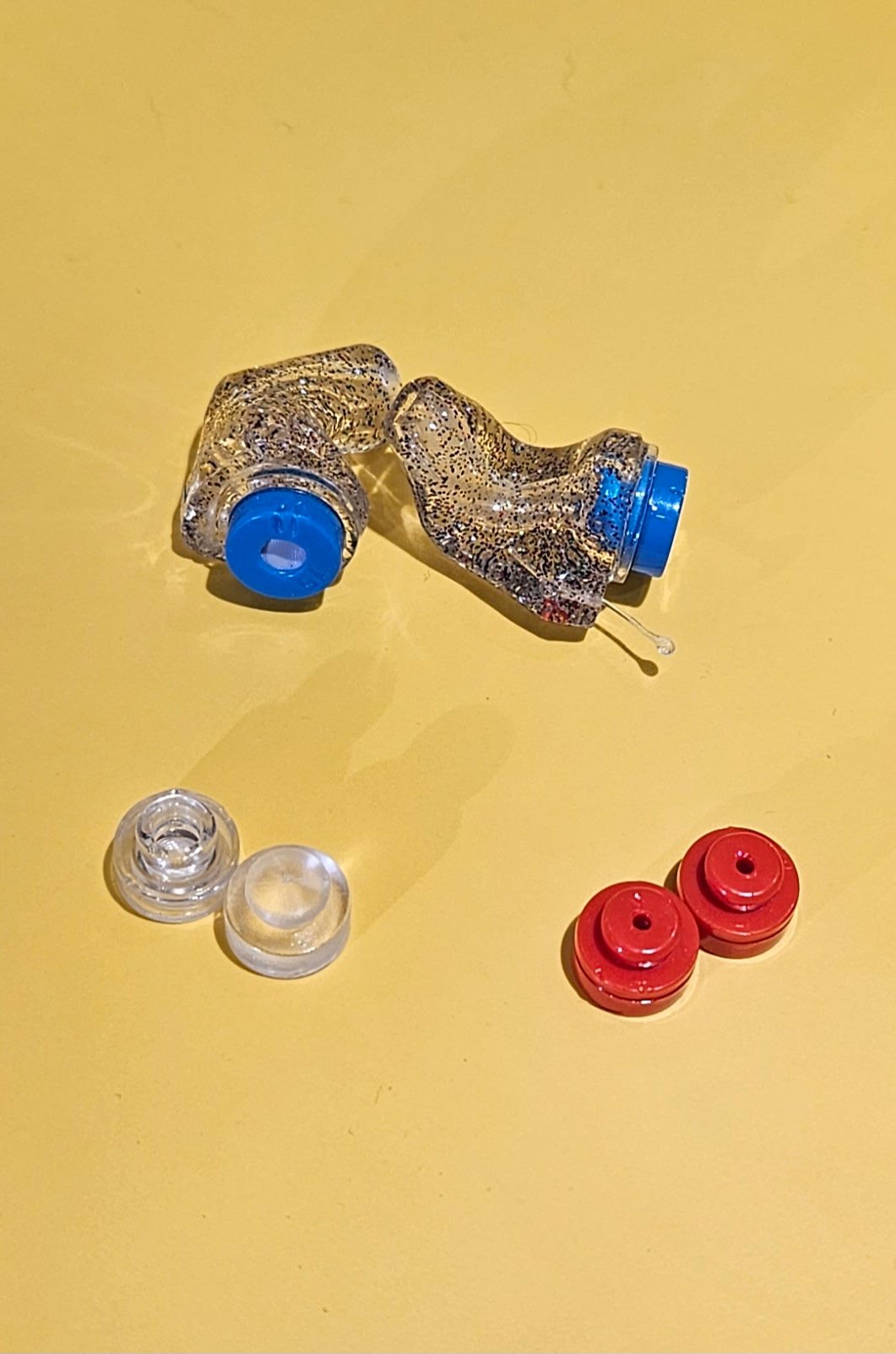
At Happy Hearing Clinic, we emphasize prevention and early detection, offering custom earplugs, diagnostic evaluations, and education on safe listening practices. Hearing Protection
Conclusion
The ear is a marvel of natural engineering, combining delicate structures that allow us to hear, communicate, and balance. When something goes wrong, it can affect nearly every aspect of daily life. The good news is that most hearing and balance issues can be identified and managed with professional care. At Happy Hearing Clinic in Winchester, KY, we are committed to helping patients understand their ears and preserve their health through education, prevention, and treatment.
Schedule your hearing evaluation today: schedule
References
Centers for Disease Control and Prevention. (2024). Hearing Loss.
https://www.cdc.gov/hearing
National Institute on Deafness and Other Communication Disorders. (2024). Quick Statistics About Hearing. https://www.nidcd.nih.gov/health/statistics/quick-statistics-hearing
World Health Organization. (2024). Ear and hearing care.
https://www.who.int/health-topics/ear-and-hearing-care
American Academy of Audiology. (2024). Hearing and Balance.
https://www.audiology.org/consumers-and-patients/hearing-and-balance/protecting-your-hearing/