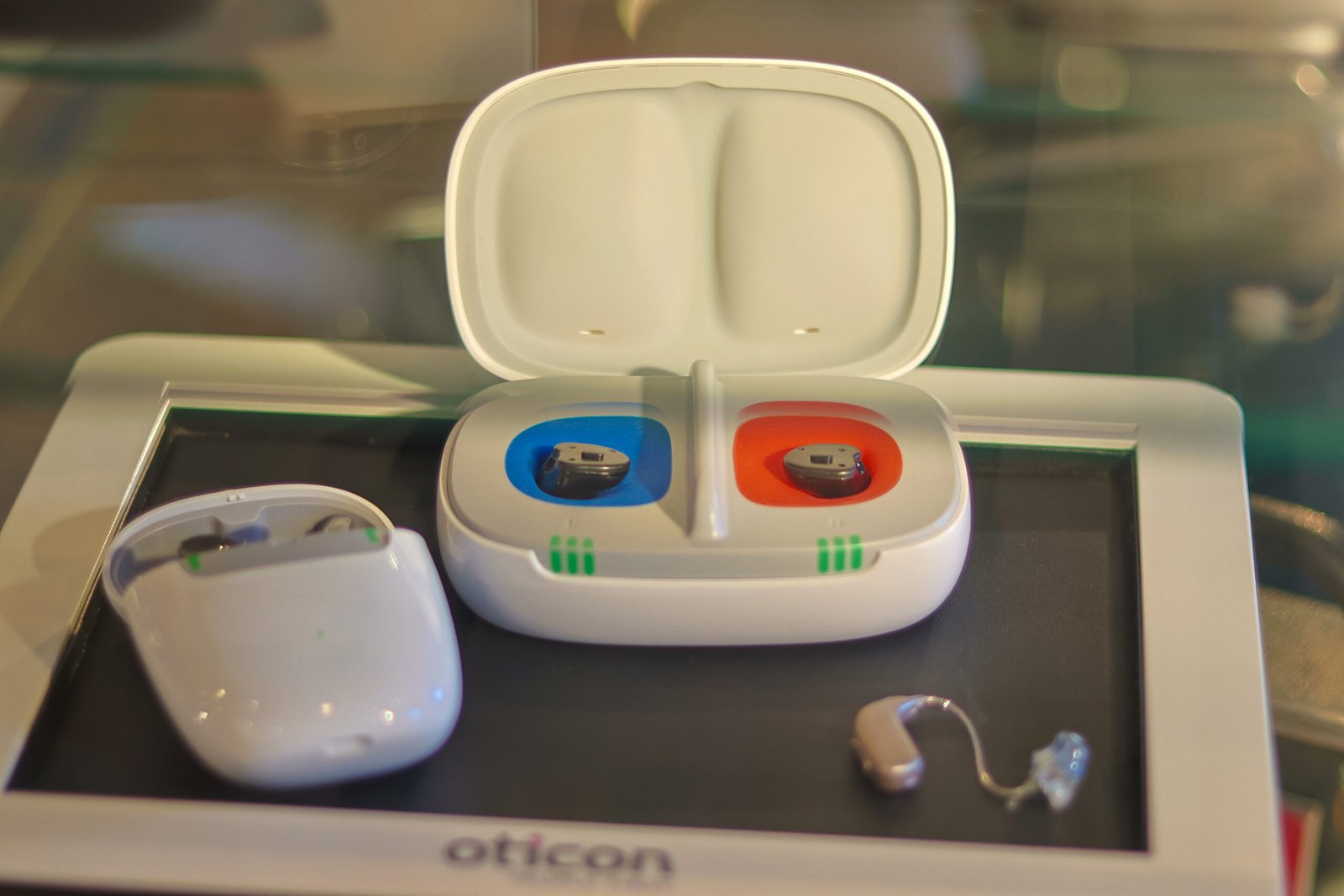
Hearing Aid Help & Repair in Winchester, KY
Already have hearing aids? We’re happy to help (even if you purchased them somewhere else). You don’t have to purchase your hearing aids from Happy
Already have hearing aids? We’re happy to help (even if you purchased them somewhere else). You don’t have to purchase your hearing aids from Happy
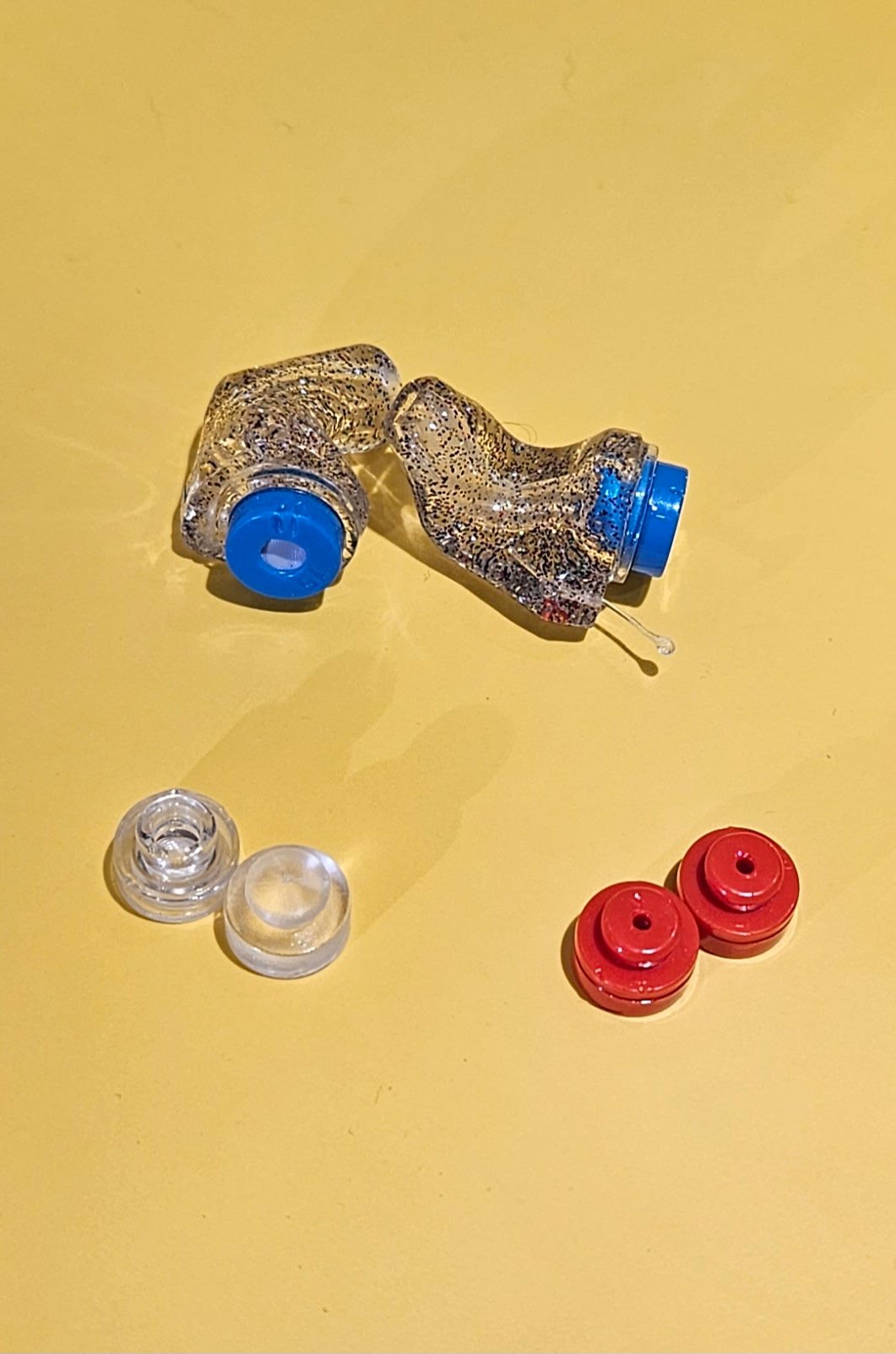
Is This for Me? If you’re looking for hearing care, you’ve probably seen a variety of titles: Audiologist (Au.D.) Hearing Instrument Specialist (HIS) Hearing Aid
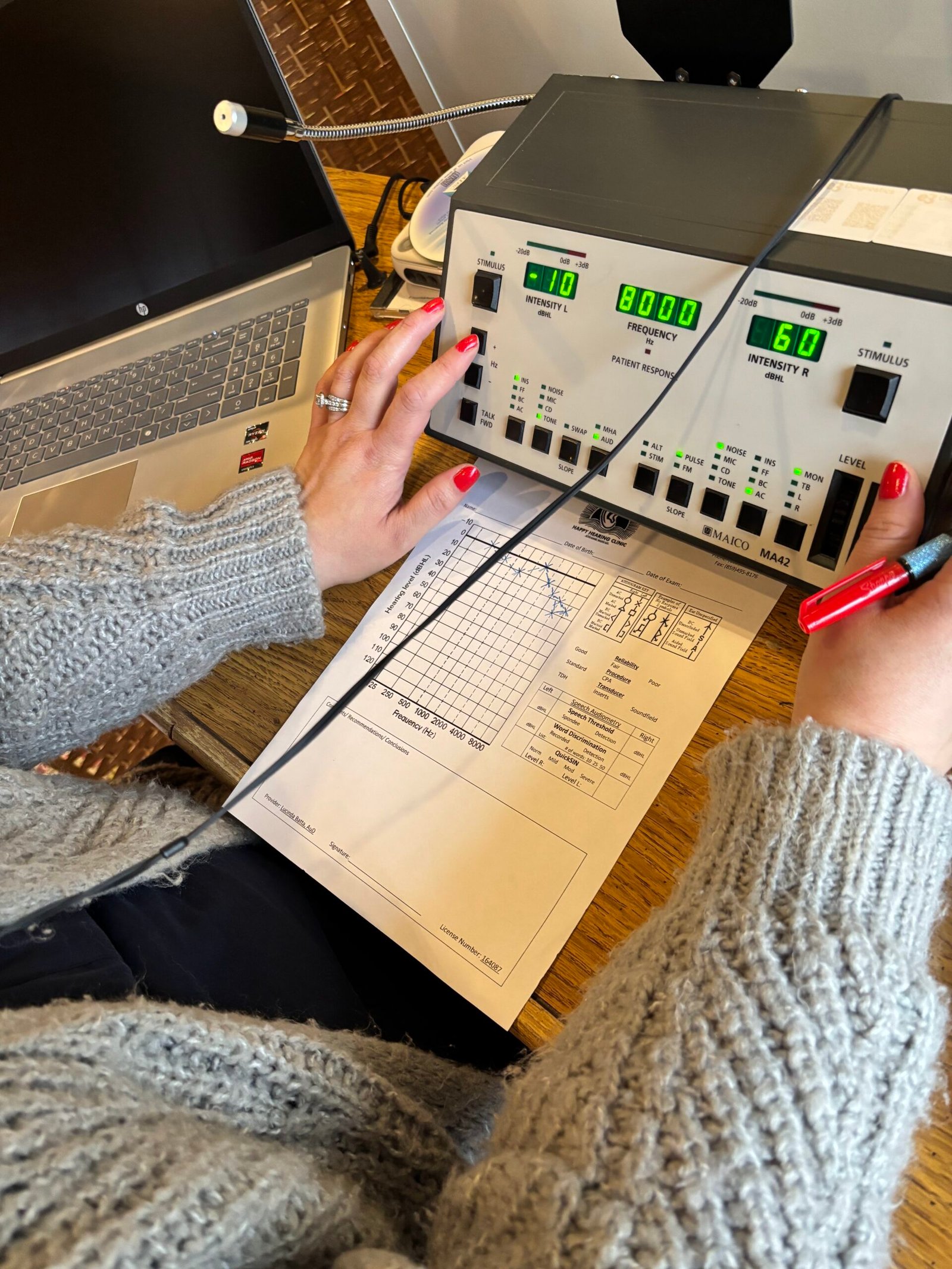
Is This for Me? Have you found yourself wondering if your spouse, parent, grandparent, or close friend might be struggling to hear? Maybe you’ve noticed
Is This for Me? If you’re looking for a hearing clinic, you’ve probably noticed that some practices are locally owned while others are part of
Is This for Me? If you’ve noticed that conversations seem more exhausting than they used to be, you’re asking people to repeat themselves more often,
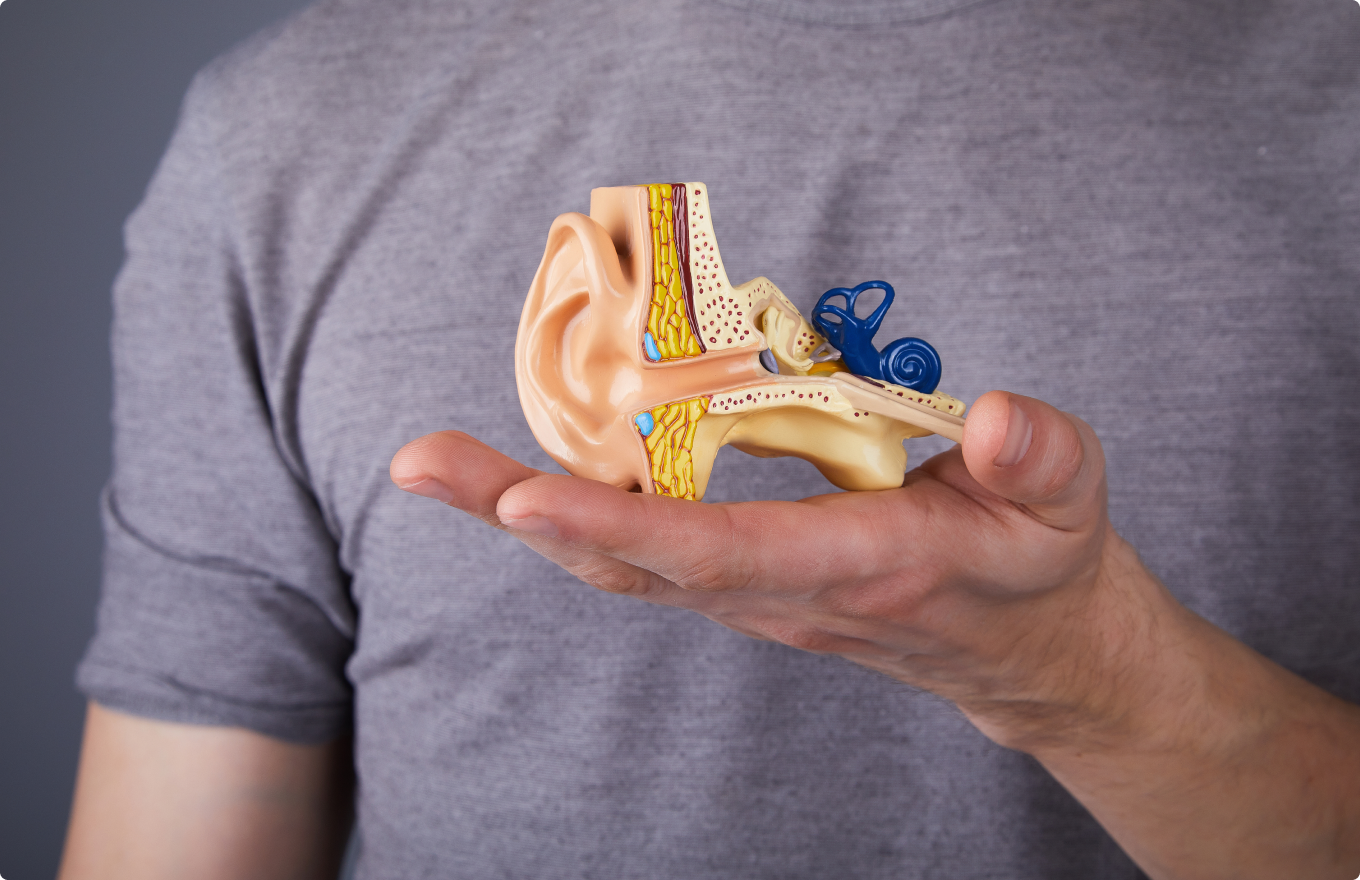
The human ear is a small but powerful organ that does far more than capture sound. It is responsible not only for helping us communicate

Hunting is more than a sport in Kentucky—it’s a tradition, a way to connect with nature, and a chance to spend time with family and

Noise-induced hearing loss (NIHL) is one of the most common and preventable causes of permanent hearing damage. According to the CDC (2024), more than 40
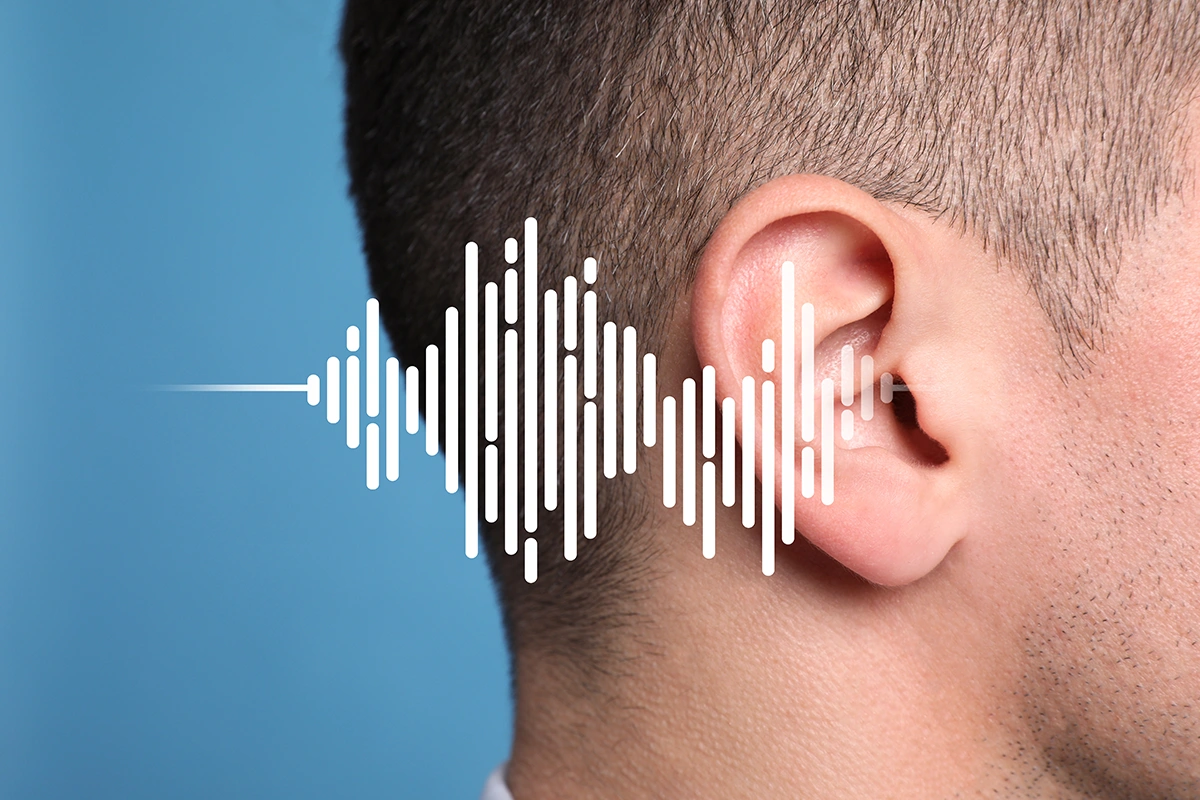
Noise-induced hearing loss (NIHL) is one of the leading causes of permanent hearing loss worldwide. It affects people of all ages, from teenagers using earbuds
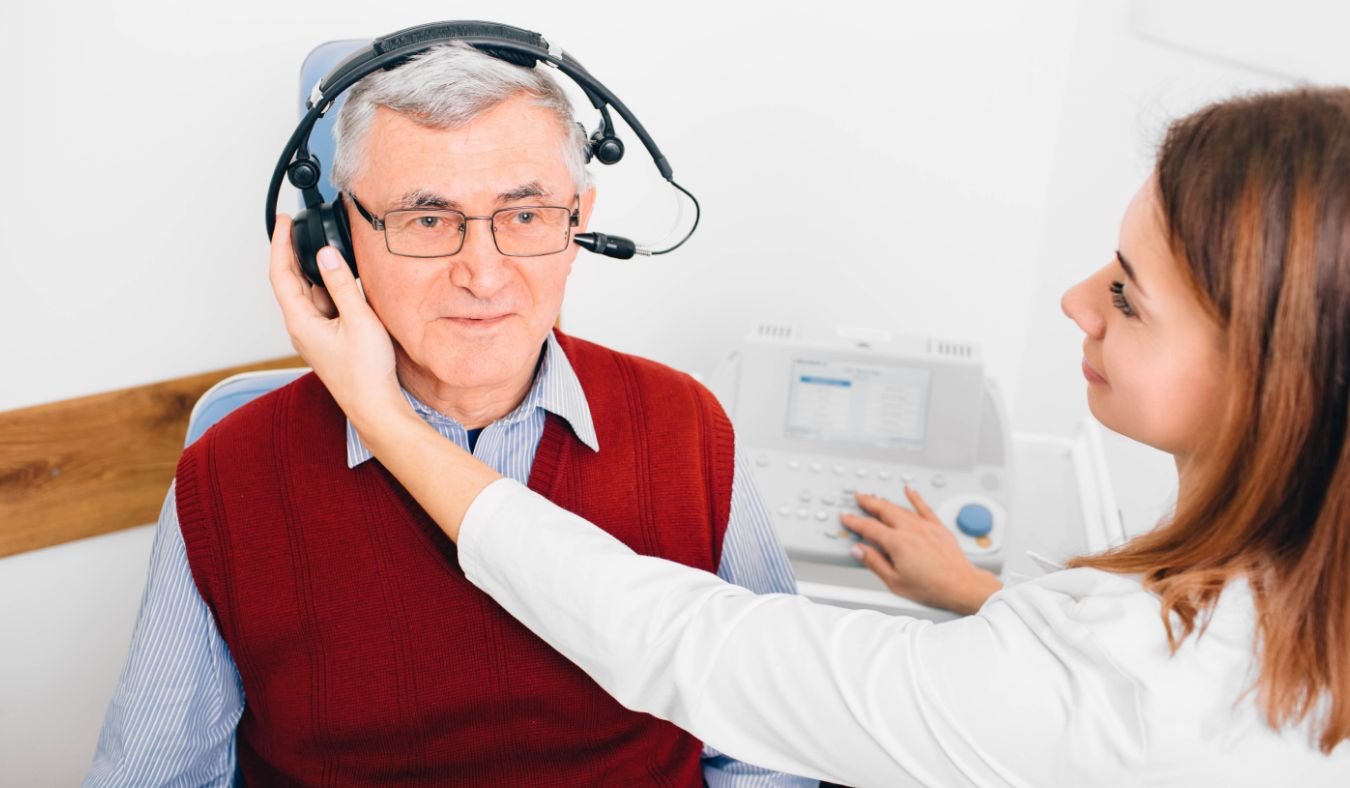
If you’ve noticed changes in your hearing, you might wonder: Who should I see first? Should I go to an audiologist, an ENT, or a