Noise-induced hearing loss (NIHL) is one of the most common and preventable causes of permanent hearing damage. According to the CDC (2024), more than 40 million American adults between the ages of 20 and 69 have signs of hearing loss related to noise. At Happy Hearing Clinic in Winchester, KY, we see firsthand how everyday noise exposure—from concerts to lawn care—affects our patients’ lives. The good news? NIHL is preventable! In this article, we’ll walk through practical hearing protection tips.
Section 1: How does loud noise damage hearing?
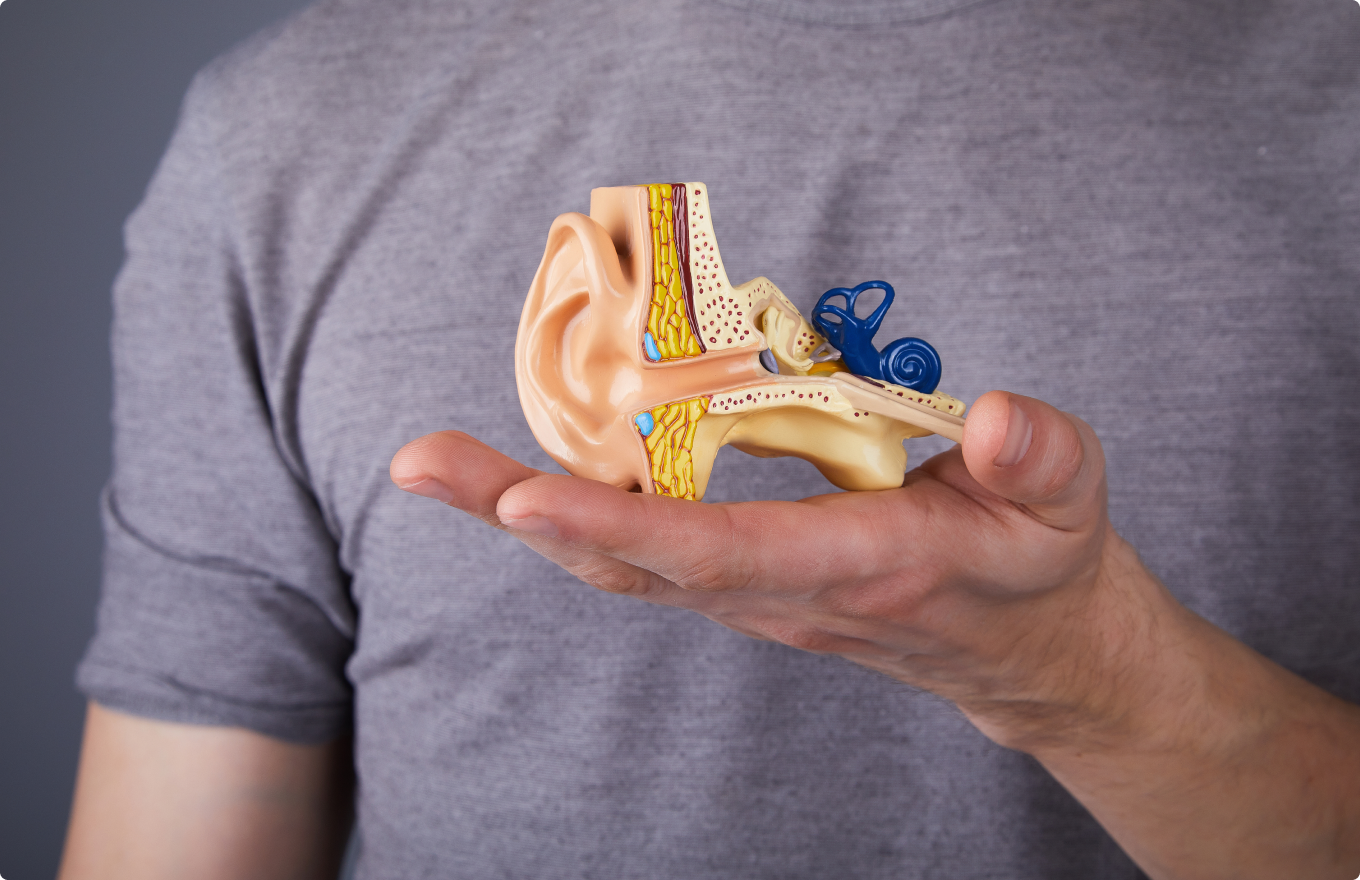
Your ears contain tiny hair cells in the inner ear (cochlea) that translate sound vibrations into electrical signals for the brain. Loud noise can permanently damage these cells, and once they’re gone, they don’t grow back. Safe listening levels are below 85 decibels (dB), but many common sounds exceed this threshold—power tools, concerts, fireworks, and even earbuds on high volume (NIDCD, 2024).
Section 2: How loud is too loud?
A simple test: if you need to shout to talk to someone an arm’s length away, it’s too loud.
Examples include:
- Normal conversation: 60 dB (safe)
- Lawn mower: 90 dB
- Rock concert: 100–120 dB
- Sporting event: 105 dB
- Gunfire: 140+ dB
Even short exposures to very loud noise can cause damage. Prolonged exposure is even more dangerous (WHO, 2024).
Section 3: Types of hearing protection
There are several effective options:
- Foam earplugs: inexpensive, disposable, reduce sound 20–30 dB when inserted correctly.
- Reusable musician’s plugs: maintain sound quality while reducing volume, great for concerts.
- Earmuffs: cover the ear entirely, useful for yardwork or industrial settings.
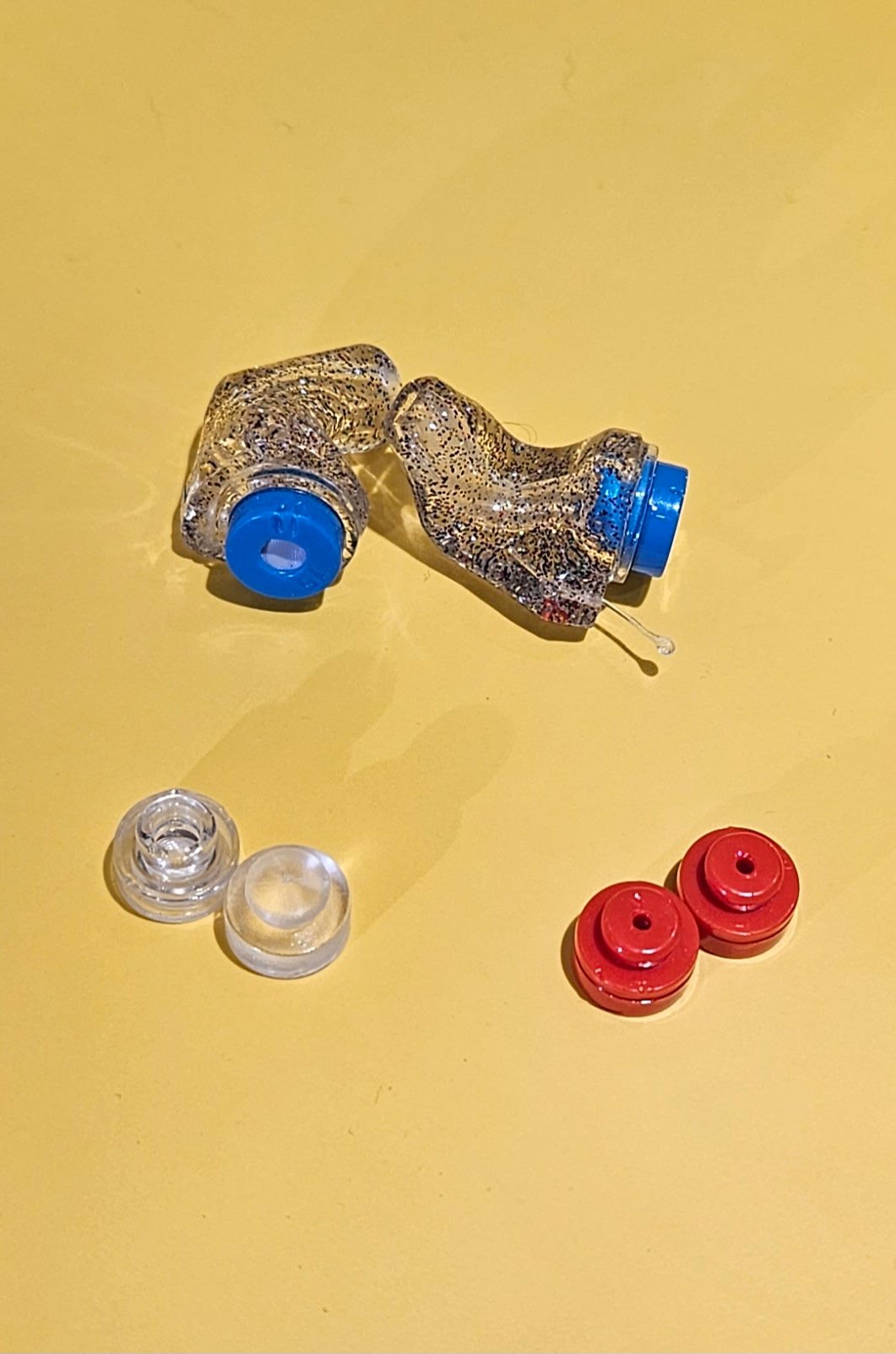
- Custom earplugs: made by audiologists, comfortable and reusable, tailored to specific uses like hunting or music (AAA, 2024).
Section 4: Are custom earplugs worth it?
Yes. Patients in Winchester, KY often report better comfort and consistency with custom earplugs. Because they fit perfectly, they’re easier to wear for long periods. Custom options can also include filters for musicians, hunters, or workers needing specific protection levels. Hearing Protection
Section 5: Protecting children’s ears
Kids are vulnerable to noise, too. Fireworks, video games, band practice, and even noisy classrooms can contribute to NIHL. Child-sized earmuffs are widely available and effective. Protecting hearing early supports healthy speech, language, and academic performance (CDC, 2024). Pediatric Hearing
Section 6: Hunters and shooters
Gunfire is one of the loudest noises people experience. A single shot can exceed 140 dB and cause permanent hearing loss. Hunters should use electronic earplugs that allow safe sounds (like conversation and rustling leaves) while blocking damaging blasts (NIDCD, 2024). Hunting Protection
Section 7: Headphones and safe listening
Earbuds and headphones are a growing cause of NIHL, especially in teens. Use the 60/60 rule: listen at no more than 60% of maximum volume for 60 minutes at a time. Noise-canceling headphones can help by allowing lower volume in noisy environments (WHO, 2024).
Section 8: Hearing protection at concerts and festivals
- Wear musician’s plugs to keep sound clear at safe levels.
- Avoid standing near speakers.
- Take breaks in quiet areas.
- Stay hydrated, since dehydration can increase susceptibility to sound damage (AAA, 2024).
Section 9: Safe practices at work and home
Workplaces like factories, farms, and construction sites can expose employees to hazardous noise levels. OSHA requires hearing protection in these environments. At home, common risks include leaf blowers, woodworking tools, and even hair dryers. Keeping hearing protection handy makes safe listening second nature (CDC, 2024).
Section 10: How audiologists help
At Happy Hearing Clinic in Winchester, KY, we provide custom earplugs, evaluate your noise exposure risk, and educate patients on safe listening practices. Whether you’re a musician, hunter, or parent, we help you find solutions that protect your hearing without sacrificing your lifestyle. Hearing Protection
Conclusion
Noise-induced hearing loss is permanent, but it is completely preventable. By using hearing protection consistently, lowering device volumes, and making smart listening choices, you can preserve your hearing for decades to come. At Happy Hearing Clinic, we provide the expertise and custom solutions you need to safeguard your ears.
Don’t wait until you’re saying “What?” too often—start protecting your hearing today. Schedule your appointment at our Winchester, KY office: Contact Us
References
Centers for Disease Control and Prevention. (2024). Loud Noise Can Cause Hearing Loss.
https://www.cdc.gov/nceh/hearing_loss/what_noises_cause_hearing_loss.html
National Institute on Deafness and Other Communication Disorders. (2024). Noise-Induced Hearing Loss. https://www.nidcd.nih.gov/health/noise-induced-hearing-loss
World Health Organization. (2024). Make Listening Safe.
https://www.who.int/activities/making-listening-safe
American Academy of Audiology. (2024). Protecting Your Hearing.
https://www.audiology.org/consumers-and-patients/hearing-and-balance/protecting-your-hearing/