Noise-induced hearing loss (NIHL) is one of the leading causes of permanent hearing loss worldwide. It affects people of all ages, from teenagers using earbuds to adults exposed to noisy workplaces or recreational activities. At Happy Hearing Clinic in Winchester, KY, we see patients every week who are surprised to learn that their hearing problems were preventable. In this guide, we explain what NIHL is, how it develops, and—most importantly—how you can protect yourself and your family.
FAQ #1: What is noise-induced hearing loss?
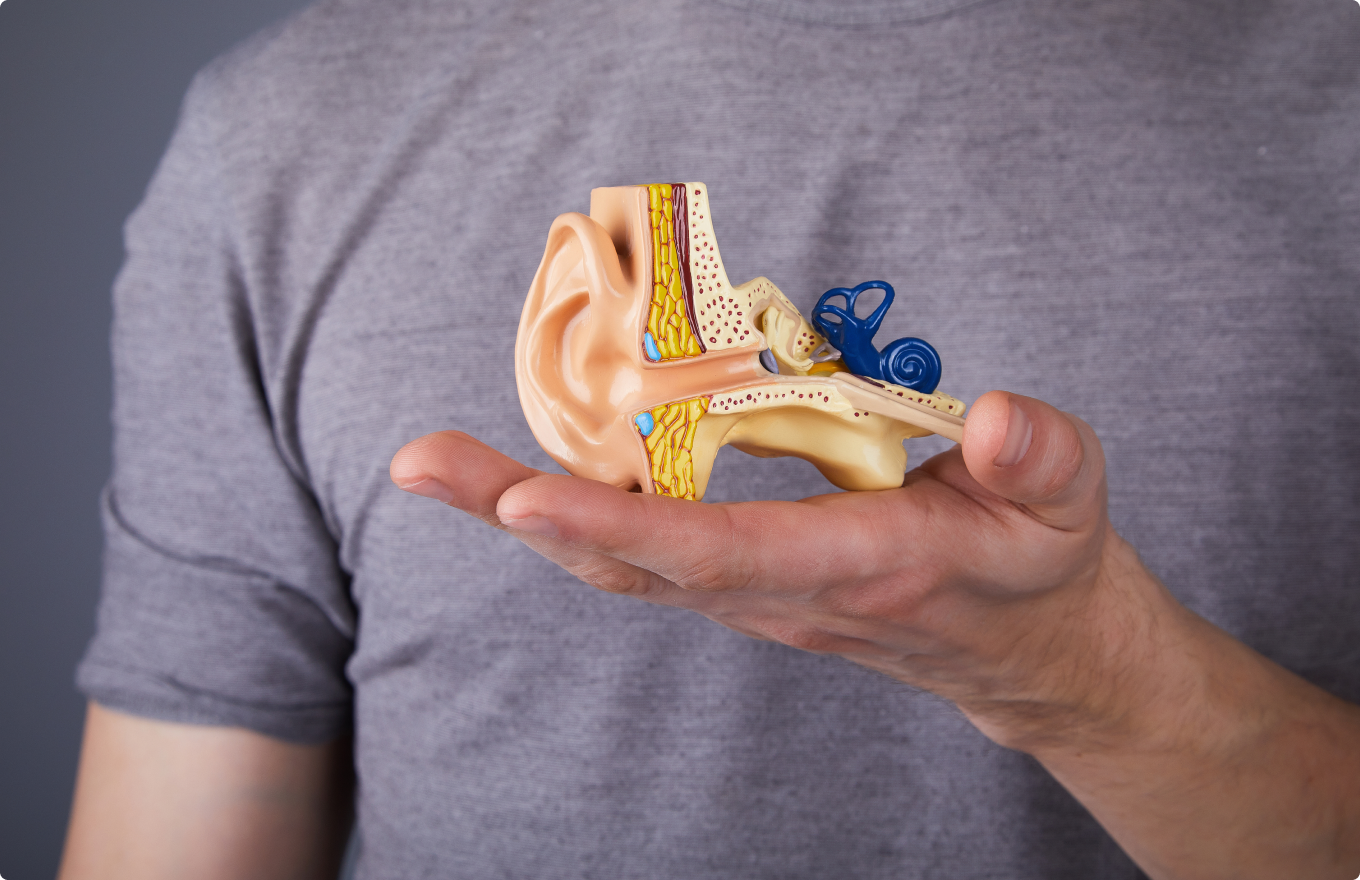
Noise-induced hearing loss occurs when loud sounds damage the delicate hair cells in the cochlea of the inner ear. Once these cells are damaged, they cannot regenerate. Unlike temporary hearing changes that improve after a night of rest, NIHL is permanent (CDC, 2024).
FAQ #2: How common is NIHL?
According to the National Institute on Deafness and Other Communication Disorders (NIDCD, 2024), an estimated 15% of American adults (37.5 million) report some hearing difficulty, and millions of these cases are linked to noise exposure. The World Health Organization (2024) warns that over 1 billion young people worldwide are at risk due to unsafe listening practices with headphones and entertainment venues.
FAQ #3: What types of sounds cause NIHL?
Any sound above 85 decibels can be harmful over time. Examples include:
- Lawn mowers: 90 dB
- Motorcycles: 95 dB
- Concerts: 100–120 dB
- Sporting events: 105 dB
- Gunfire: 140+ dB
Repeated exposure or even one very loud blast can cause permanent damage (AAA, 2024).
FAQ #4: Can NIHL happen from headphones?
Yes. Listening to music or podcasts at high volume through earbuds or headphones can cause NIHL. The “60/60 rule” is recommended: listen at no more than 60% of maximum volume for no more than 60 minutes at a time (WHO, 2024).
FAQ #5: What are the symptoms of NIHL?
Symptoms may include ringing in the ears (tinnitus), muffled hearing after loud events, difficulty understanding speech in noise, or asking others to repeat themselves. If you notice these signs, schedule a hearing test with an audiologist (CDC, 2024). Hearing Evaluations
FAQ #6: Can NIHL be prevented?
Yes. NIHL is 100% preventable with the right precautions. Use hearing protection such as foam plugs, musician’s earplugs, or earmuffs in loud environments. Keep the volume down on personal devices, and limit time in noisy places. Prevention is the most effective treatment (NIDCD, 2024). Hearing Protection
FAQ #7: How does NIHL affect children and teens?
Children and teens are particularly vulnerable. Exposure to loud toys, video games, school band practice, and concerts can contribute to early hearing loss. Protecting young ears ensures healthy language, learning, and social development (WHO, 2024). Pediatric Hearing
FAQ #8: Is NIHL reversible?
No. Once permanent damage occurs, hearing cannot be restored. However, hearing aids and cochlear implants can help manage the effects and improve communication. Early intervention leads to better outcomes (AAA, 2024).
FAQ #9: How do audiologists diagnose NIHL?
Audiologists perform hearing evaluations, including pure-tone audiometry and speech testing, to identify the type and degree of loss. At Happy Hearing Clinic, we also ask about your noise exposure history to confirm NIHL (CDC, 2024).
FAQ #10: How can Happy Hearing Clinic help?
We provide:
- Comprehensive hearing tests
- Counseling on safe listening practices
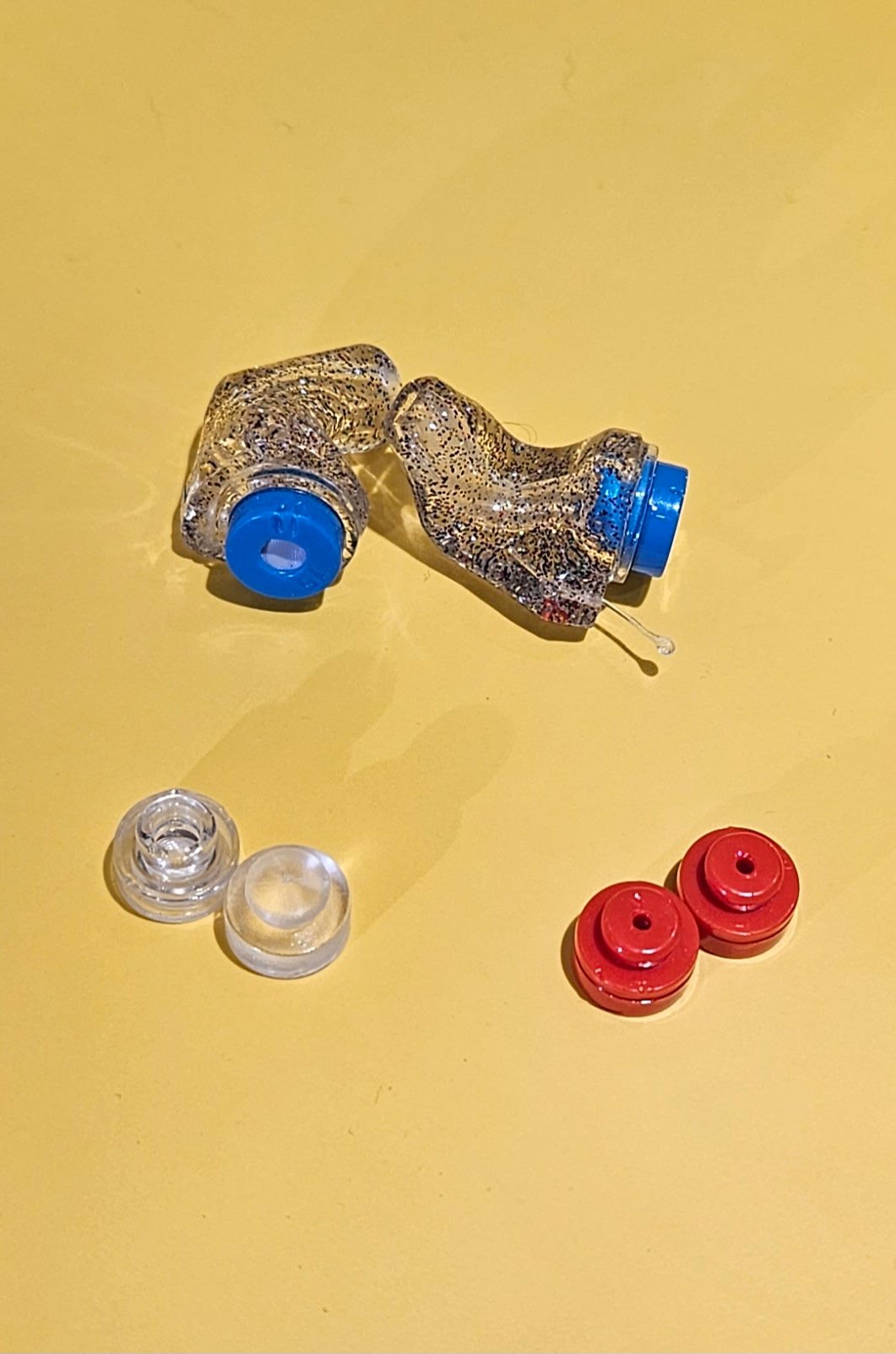
- Custom hearing protection
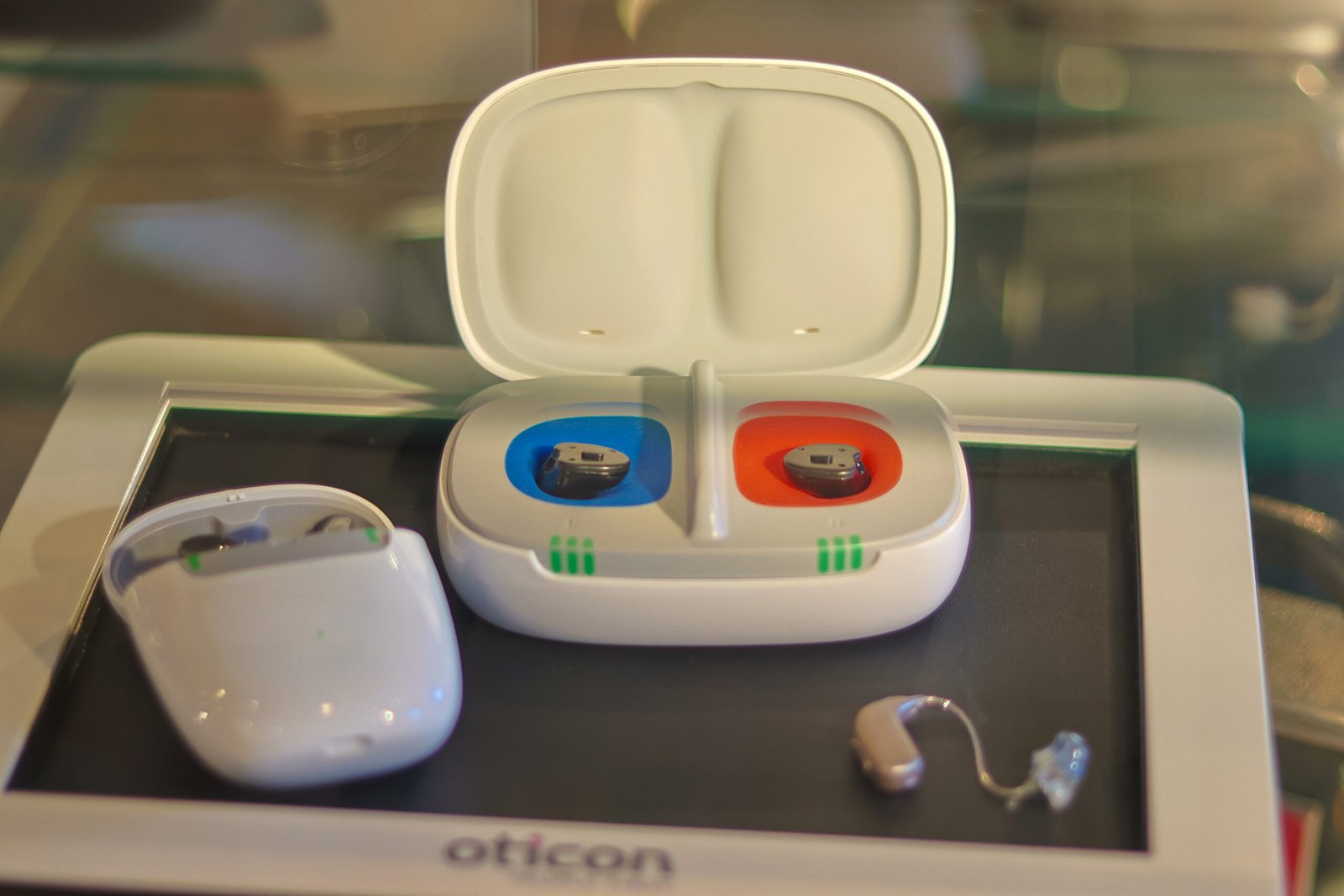
- Hearing aid fittings for those with NIHL
- Ongoing support to prevent further damage
Local patients in Winchester, KY, benefit from personalized care designed to protect their hearing for the future
Conclusion
Noise-induced hearing loss is preventable, but once it occurs, it is permanent. That’s why education and proactive protection are so important. At Happy Hearing Clinic in Winchester, KY, we believe prevention is the best medicine. Whether you’re a concertgoer, hunter, musician, or parent, we can help you safeguard your hearing with testing, counseling, and protection solutions. Schedule your appointment today: scheduling
References
Centers for Disease Control and Prevention. (2024). Loud Noise Can Cause Hearing Loss.
https://www.cdc.gov/nceh/hearing_loss/what_noises_cause_hearing_loss.html
National Institute on Deafness and Other Communication Disorders. (2024). Noise-Induced Hearing Loss. https://www.nidcd.nih.gov/health/noise-induced-hearing-loss
World Health Organization. (2024). Make Listening Safe.
https://www.who.int/activities/making-listening-safe
American Academy of Audiology. (2024). Protecting Your Hearing.
https://www.audiology.org/consumers-and-patients/hearing-and-balance/protecting-your-hearing/